Between Worlds: Five Days in Moldova
When I arrived in Chisinau in mid-September 2025, it was the middle of the night and I’d never experienced a city so empty. There was absolutely no one about, nothing open, and all the semi-decaying Soviet architecture evoked a sinister atmosphere. I wandered about until I got tired and then lay for an hour on a cold park bench. Was it really worth coming to Moldova? I wondered, looking up at the trees as birds began to chirp.
Moldova is a small nation of 2.4 million people in the southeast corner of Europe, wedged between Romania and Ukraine - a challenging position that has shaped a complex but fascinating history and modern political situation. Moldova has been part of various empires - Ottoman, Russian and Soviet - and was briefly part of Romania. Today, it remains a key hybrid battleground between Russia and western Europe. I was actually visiting at an interesting time, as Moldovans were about to vote in a crucial parliamentary election at the end of the month, which would effectively decide whether the country continued towards EU membership.
Chisinau’s post-Soviet appeal
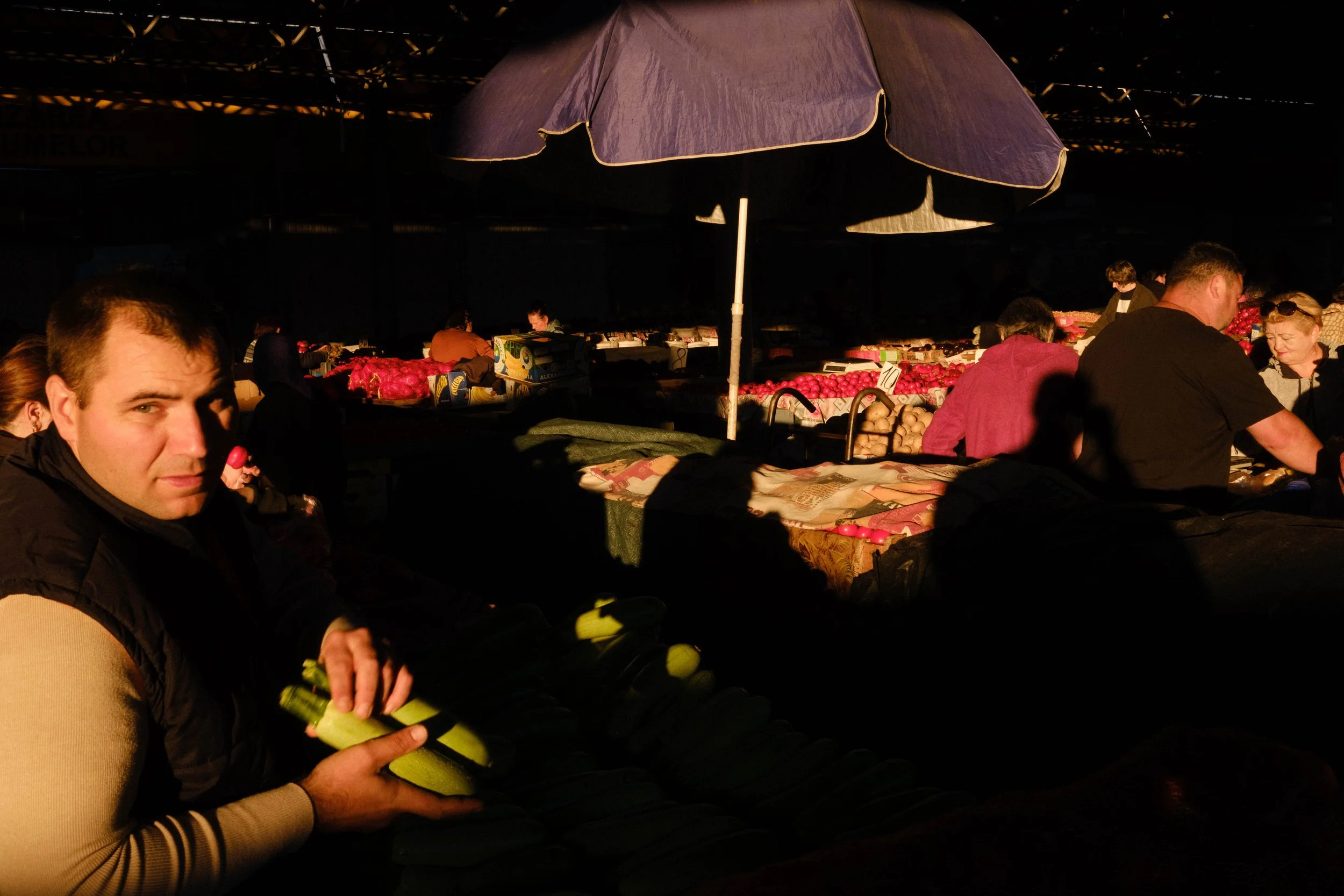
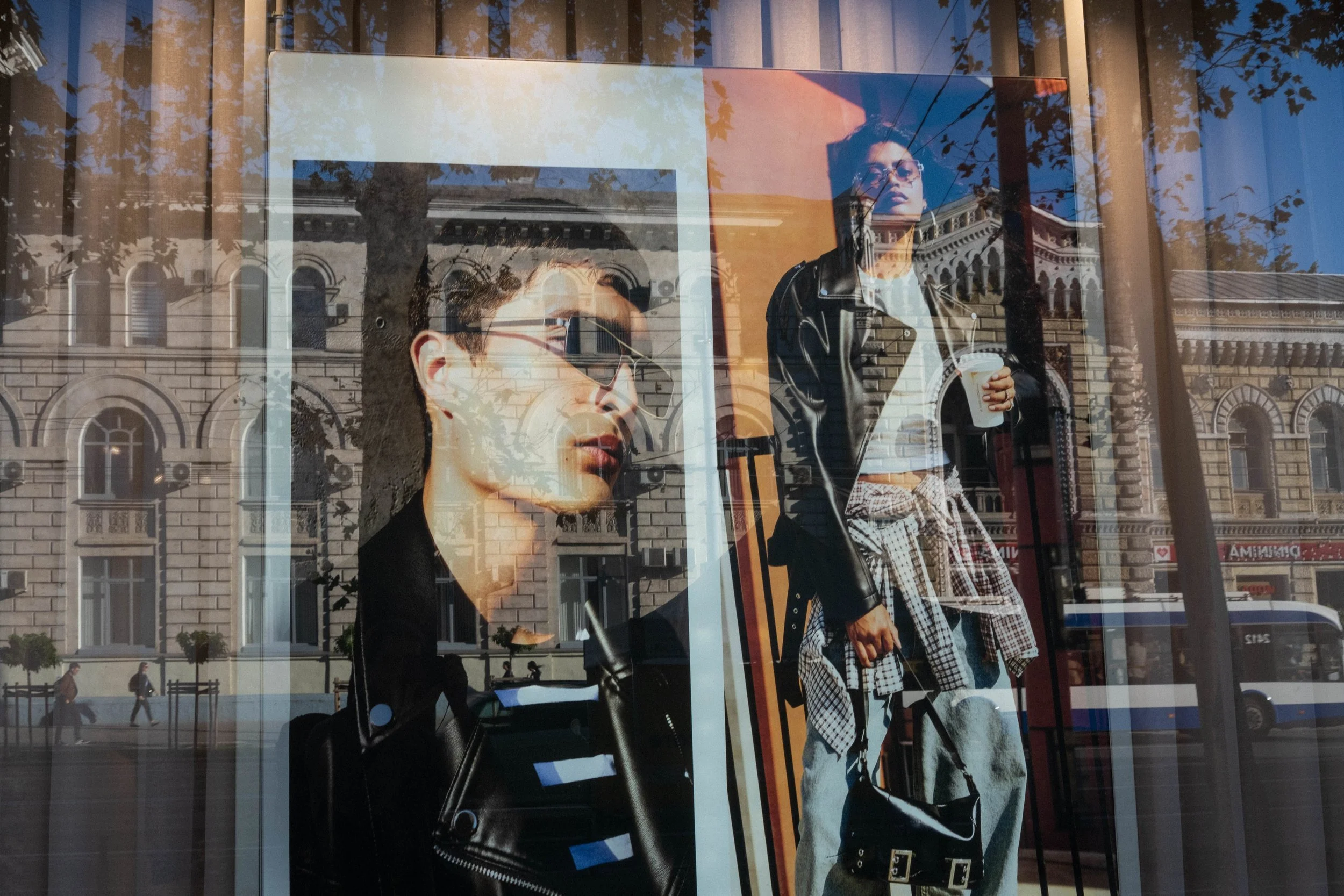
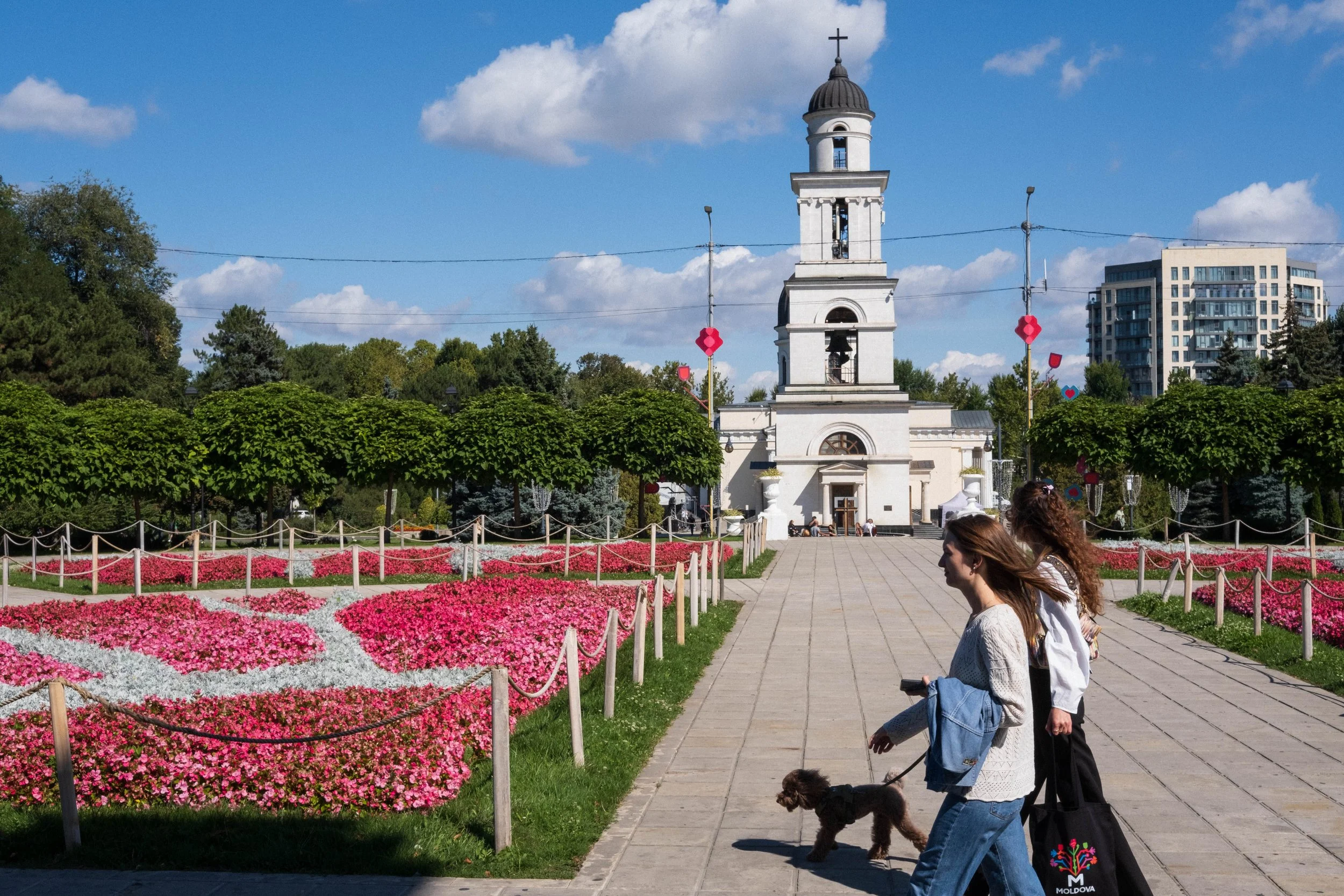
When the lights came on and life reappeared on Chisinau’s streets, the city in fact revealed itself as a very different - bustling and trendy - place. Sure, the architecture was still all Soviet but it was grand, and hidden beneath it were modern third-wave cafes, enticing bakeries, fashionable boutiques and cosy bookshops. My first port of call was the massive Central Market, believing it would be the most active area at dawn, and there I admired fruits, nuts and cheeses seemingly from all over Moldova glowing in the golden hour sunshine.
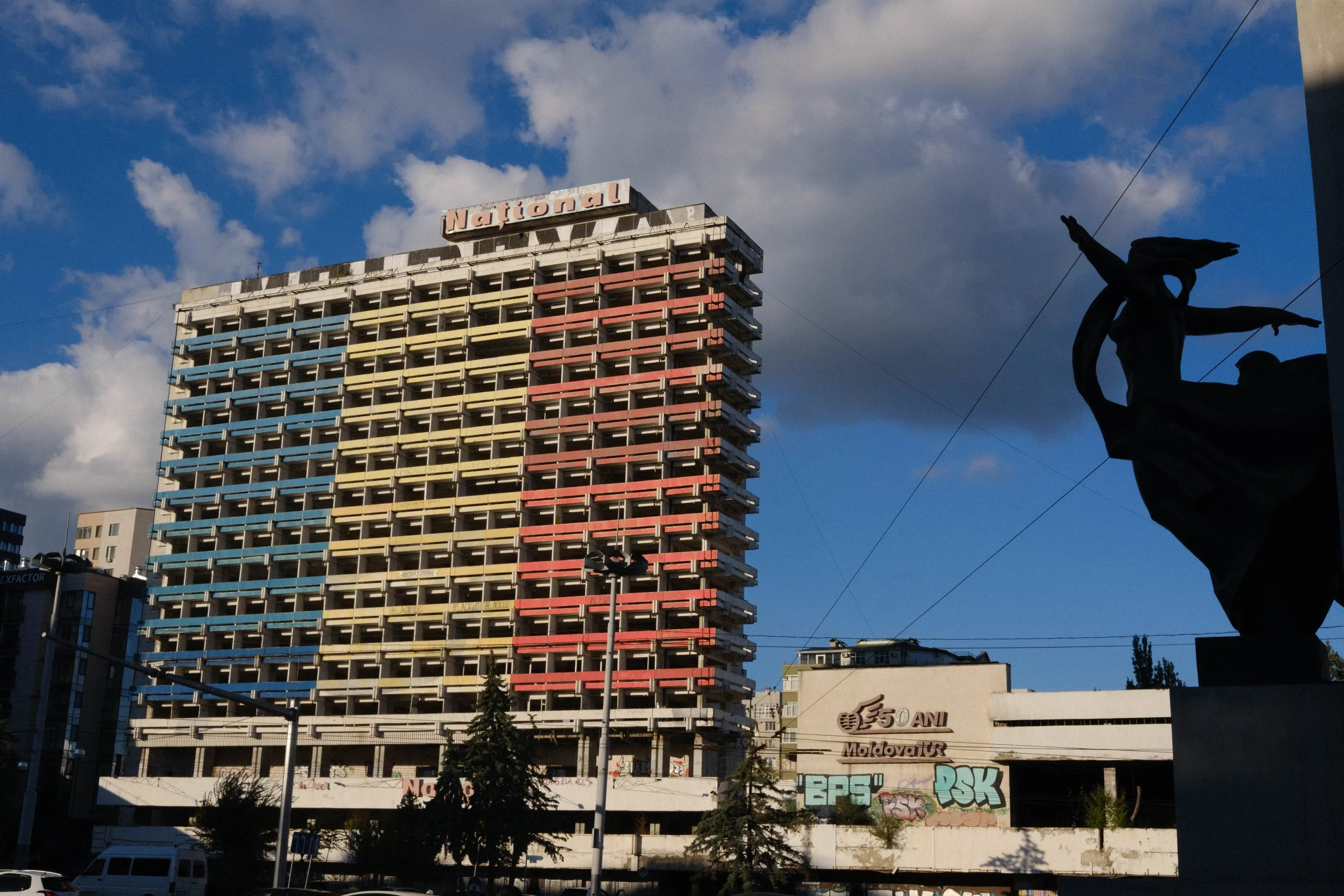
Afterwards I continued down Stefan cel Mare (Stephen the Great, a 15th century ruler and national hero) Avenue, Chisinau’s main thoroughfare lined with embassies and fashionable shops. Eventually I came to two striking buildings: the austere Stalinist-style Chisinau Hotel and, adjacent to it, the shell of the former state-run Intourist hotel, apparently once the “calling card of Chisinau” but now a wreck painted in the national colours of Moldova; as though sticking a finger up at the nation’s Soviet past. A little further on I came to a flea market where pensioners hawked worn-out clothes, books, miscellaneous antiques and Soviet kitsch such as badges and medals. Visually at least, little seemed to have changed since the country became independent in 1991. But as I was to discover, that was part of the appeal of travelling in Moldova.
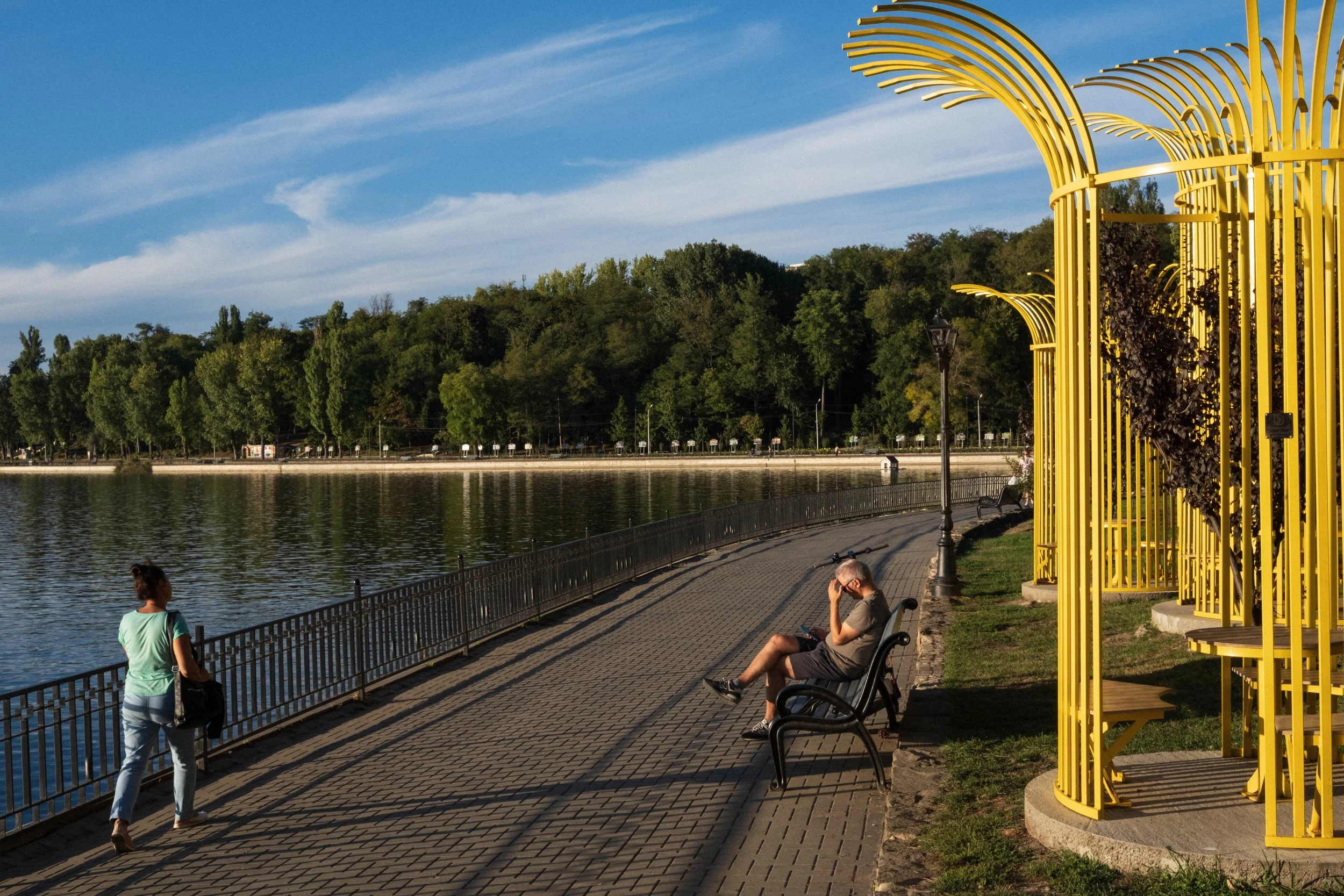
That afternoon I browsed the National History Museum, too tired to really absorb anything beyond its centrepiece: a vast diorama depicting a World War II battle near the Moldova-Romania border. Then I ventured a few blocks west to Valea Morilor Park, one of several large parks breaking up the brutalist monotony of modern-day Chisinau and making it a nice place to walk around. Kayakers were crisscrossing the large man-made lake in the middle, while more pensioners bronzed themselves on a small sliver of beach. It was still very hot in September and I cooled myself with two delicious ice creams.
North and South
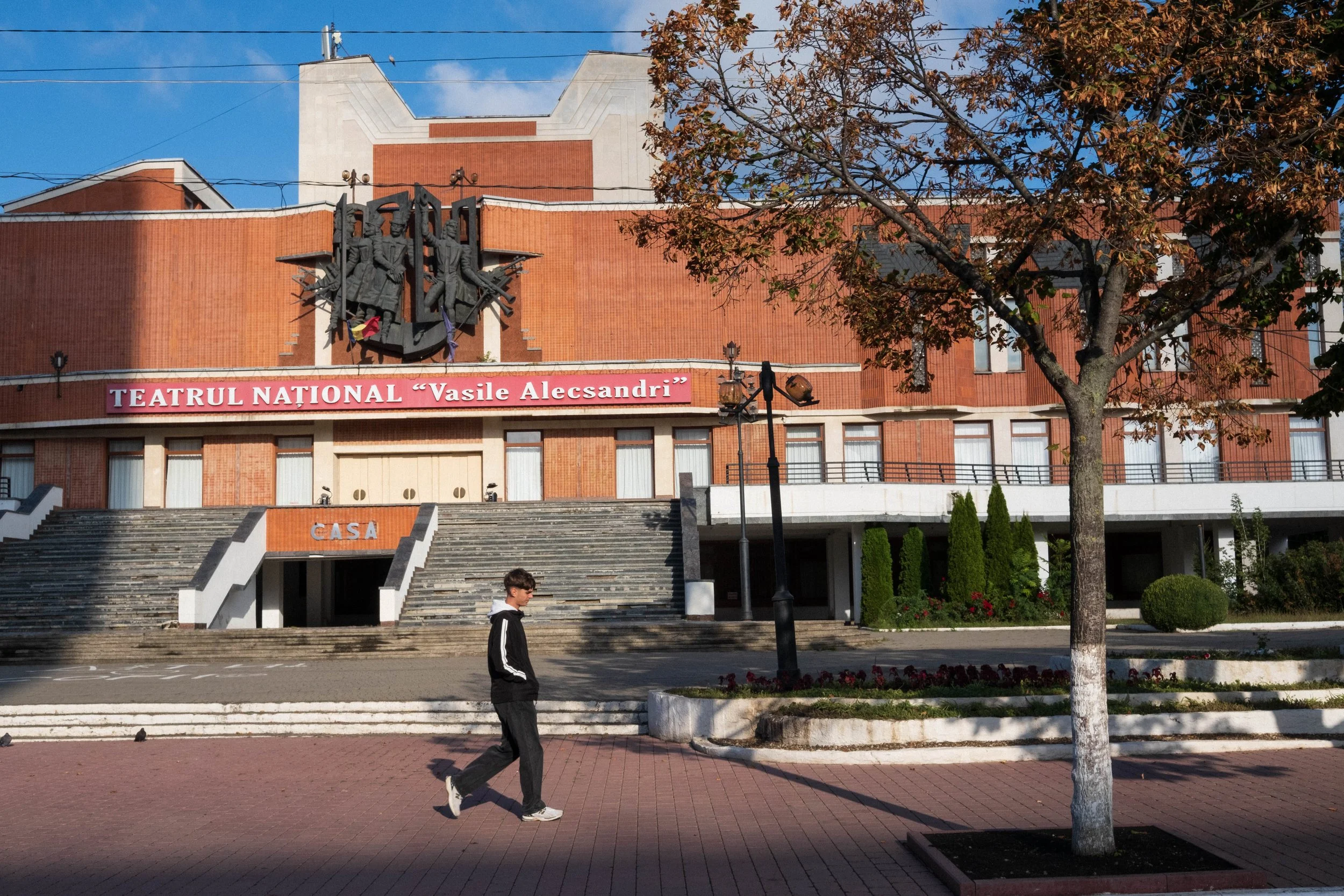
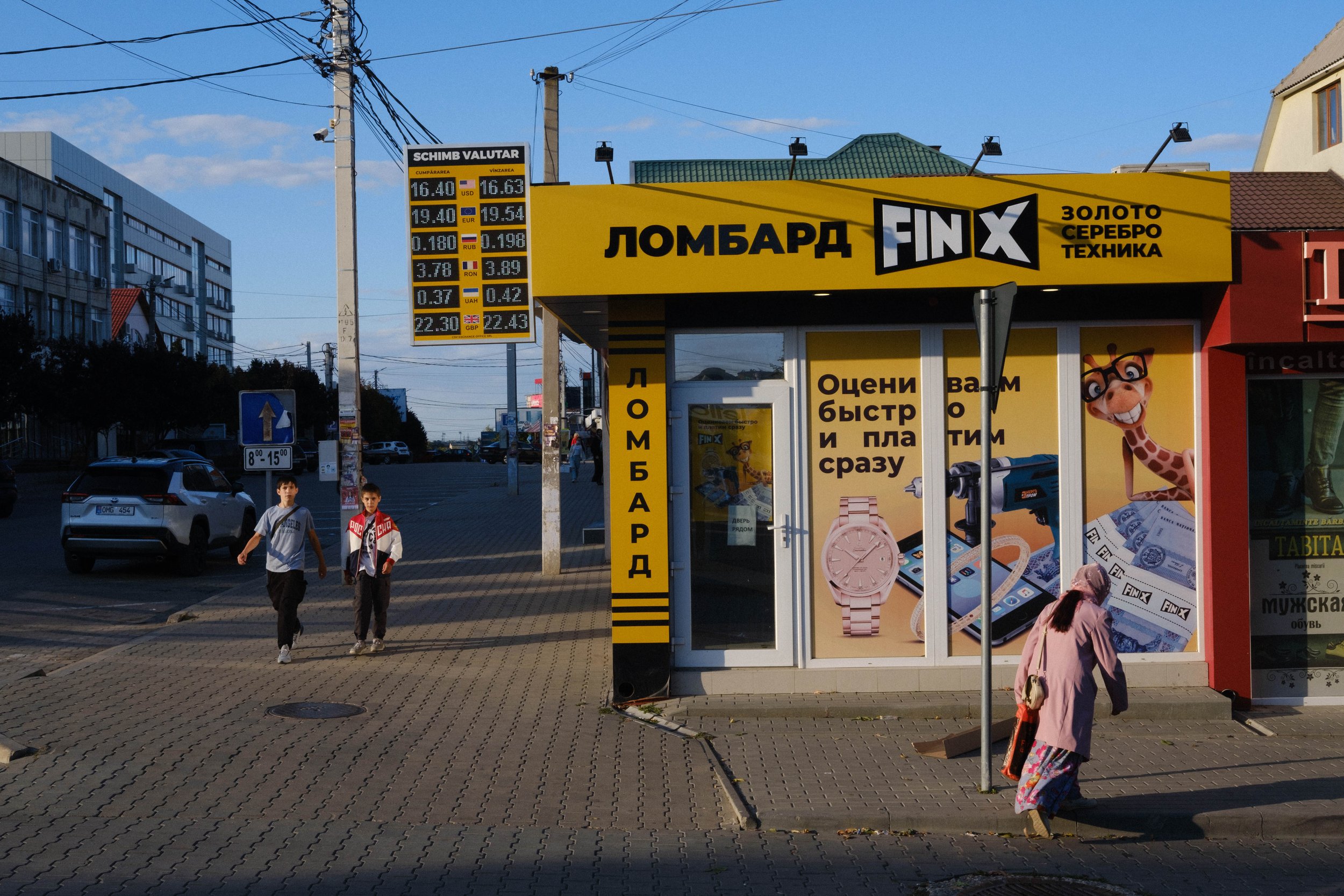
I was keen to see more of Moldova, however. So the following day I hopped on a minibus bound for Balti (pronounced “Beltsi”), the so-called northern capital, which proved even more of a timewarp than Chisinau. The city centre comprised some slightly worn-out but interesting Soviet architecture, particularly the Vasile Alecsandri National Theatre; this had been the “second best” theatre in the entire Soviet Union, enthused a local taxi driver. Nearby, on the central square, a Soviet tank fronted by an eternal flame represented the local World War II memorial, and Russian seemed to be the dominant language. But it was fun to walk around for a few hours, in a time-travel kind of way.
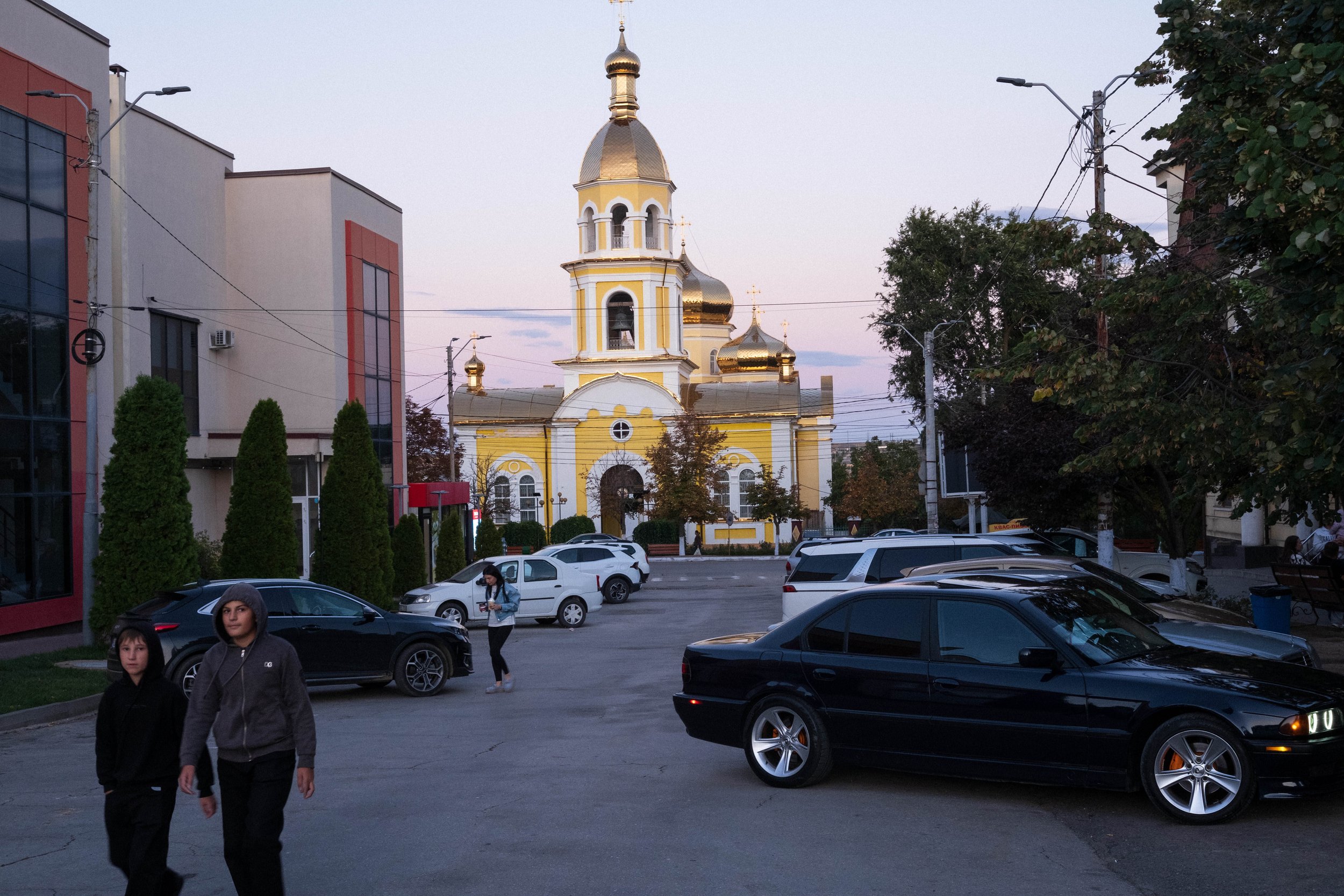
The next day I journeyed in the opposite direction, into the south, intrigued in particular to see the small city (more like a town) of Comrat. This is the capital of an autonomous region called Gagauzia, inhabited by ethnic Turks who profess Orthodox Christianity. Due to their uncanny choice of faith, after annexing Moldova following the Russo-Turkish war in 1812, Russia reportedly invited them to resettle from north-eastern Bulgaria, for which the Gagauzians are apparently still grateful. They speak Russian and are overwhelmingly supportive of Russia-leaning political parties. A statue of Lenin still looms in front of the local government building, located on a street also still named after Lenin. Walking around Comrat strongly reminded me of provincial Azerbaijan, another Turkic nation where I lived for eight years, but for a very beautiful yellow Orthodox church hidden near the town centre.
From Comrat I continued south to another small city called Cahul near the Romanian border, en route passing through extensive flat steppes scattered with somewhat quaint villages and otherwise largely covered with vineyards soaking up the last of the summer sunshine. Wine has long been one of the country’s main exports and the industry has reportedly undergone a recent renaissance.
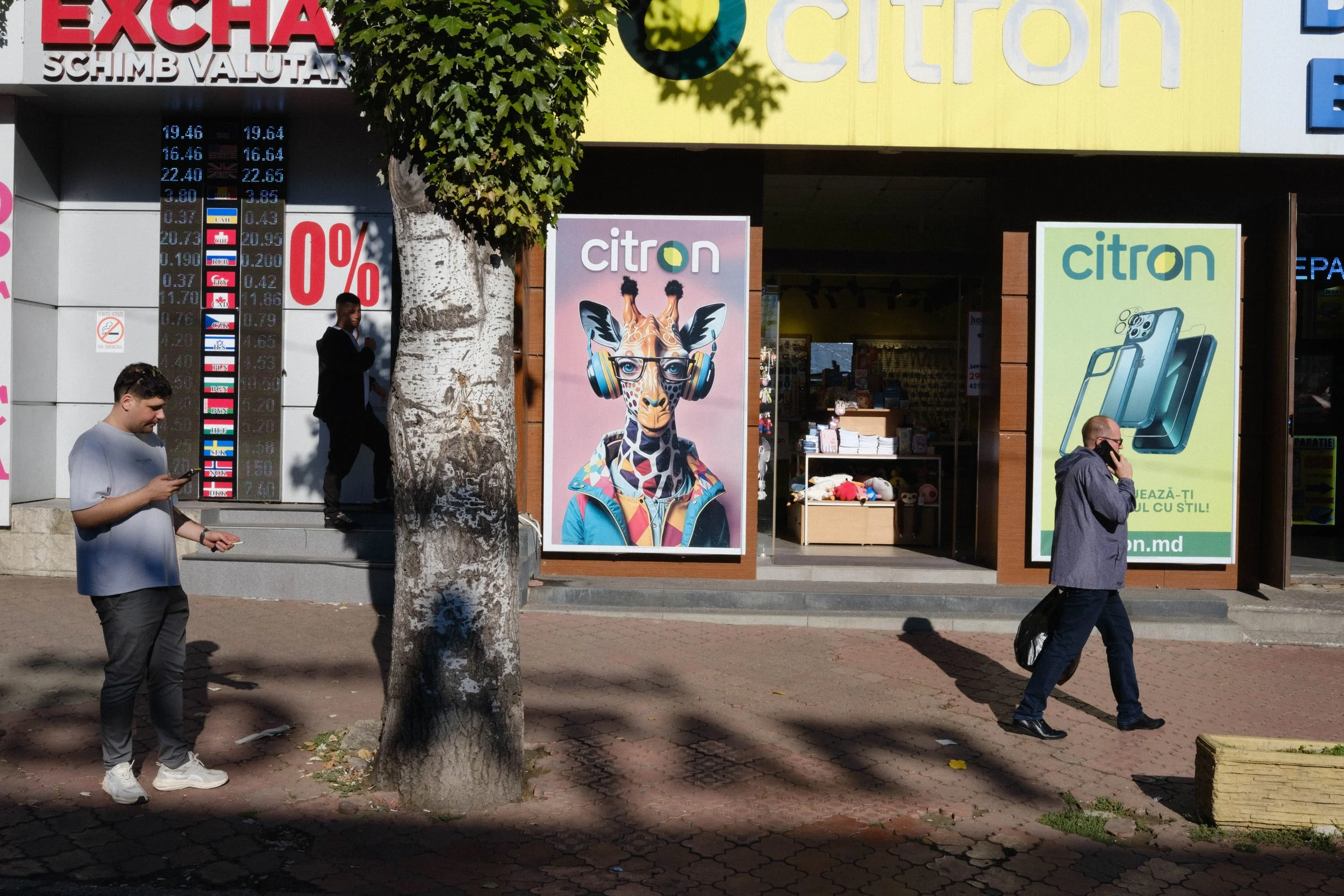
Cahul contrasted strongly with Comrat, immersing me back in the old Soviet architecture and street planning, only here Romanian was in the linguistic ascendency, especially among younger residents. The presence of the Bogdan Petriceicu Hasdeu State University gave the city a youthful feel and once again life seemed to revolve around an animated central market. Travellers here may wish to hunt for some impressive Soviet-era murals; however, I chose to make a hasty return to Chisinau before dark.
Back to the USSR
There was one more place I pondered visiting - Tiraspol. This is the second-largest city in Moldova and more importantly the capital of Transnistria, an unrecognised republic that sought to separate from Moldova in the early 1990s due to fears Moldova would reunite with Romania. A brief war was fought which culminated in a Russian-brokered ceasefire, following which Russia left a 1,500-strong peacekeeping force in Transnistria.
In the end I opted to skip Transnistria, mostly because I’d been there before, about 15 years prior, following which I summarised my impressions in an article for The Moscow Times titled “Back to the USSR”. In Tiraspol, too, a statue of Lenin dominated the square outside the forbidding Soviet-realist presidential palace and the breakaway region’s emblem still featured the communist hammer and sickle. Since then little appears to have changed, judging by media reports, with Transnistria still frozen behind its own little iron curtain and still heavily reliant on Russian economic and energy support.
Instead, I spent a further day leisurely strolling the streets of Chisinau, finding more lake-filled parks and another extensive flea market, as well as simply watching the world go by over several good and pleasingly cheap cups of coffee. And when I later thought back to that moment lying supine on the park bench at the start of my trip, questioning my decision to visit Moldova, I concluded that - given its mix of historical quirks and modern comforts, wonderful food (and wine) and overall affordability - it had indeed been worth it.